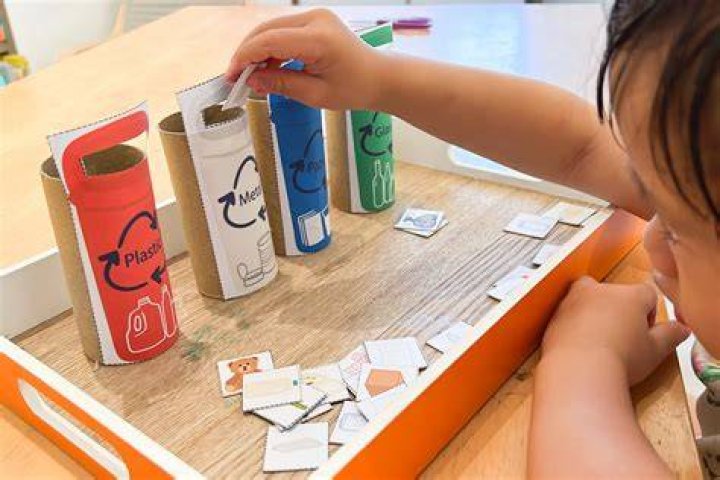
What are recycled games?
 Sophia Carter
 means taking something old and turning it into something useful.
10 Interesting Recycling Games For Kids:
- Waste No Water:
- Bottle Bowling:
- Scavenger Hunt:
- Tumbling Tows:
- Recycling Relay:
- Newspaper Dump:
- Recycling Bin Race Game:
- Trash Can Relay:
.
Keeping this in view, what is recycling for kids?
Enjoy a wide range of fun recycling facts for kids. Recycling is the process of turning used waste and materials into new products. This prevents potentially useful materials from being wasted as well as reducing energy use and pollution. Recycling is part of the waste disposal hierarchy - Reduce, Reuse, Recycle.
Also, what is the recycling symbol called? The universal recycling symbol (U+2672 ♲ UNIVERSAL RECYCLING SYMBOL or U+267B ♻ BLACK UNIVERSAL RECYCLING SYMBOL in Unicode) is internationally recognized for recycling activity.
People also ask, how do you make recycling fun?
Check out these easy ways to make recycling fun for the entire family!
- Have a Recycle Day Parade.
- Organize a drive.
- Consider starting a recycling program.
- Take a family trip to the recycling center.
- Decorate your recycling bins.
- Take the One Bag Challenge.
- Play a game.
- Stir up some friendly competition.
How do you teach kids to recycle?
19 Activities for Kids to Learn About Recycling
- Build a robot. Don't throw away the cardboard boxes and yogurt containers!
- Make seed paper. Do this instead of tossing shredded paper in the bin.
- Play a game.
- Make a bird feeder.
- Paint the symbol.
- Make recycling bins for the home.
- Try an online game.
- Pack a waste-free lunch.
Related Question Answers
Is recycling good or bad?
Recycling cuts down amount of waste in landfill sitesRecycling old and used materials into reusable products enormously reduces the possibility of choking of landfill sites. This is beneficial because it helps minimize land and water pollution since landfills contribute mightily to environmental degradation.Why do we need to recycle?
Recycling is very important as waste has a huge negative impact on the natural environment. Harmful chemicals and greenhouse gasses are released from rubbish in landfill sites. Recycling helps to reduce the pollution caused by waste. Recycling reduces the need for raw materials so that the rainforests can be preserved.What happens if we don't recycle?
1) Increase in pollutionThe first consequence from not recycling would be pollution. The air also gets polluted each time you drive your car. Plastic particles from water bottles and chemicals pollute our water – that's why you should always recycle them.What are some ways to recycle?
Tips: Top Ten Ways to Recycle- Buy recycled paper and print on both sides.
- Make recycling bins readily available.
- Recycle your empty ink and toner cartridges.
- Buy remanufactured ink and toner cartridges.
- Recycle old newspapers laying around the office.
- Look for the recycled option in all the products you buy.
- Buy rechargeable batteries.
What are the benefits of recycling?
Benefits of Recycling- Reduces the amount of waste sent to landfills and incinerators.
- Conserves natural resources such as timber, water and minerals.
- Increases economic security by tapping a domestic source of materials.
- Prevents pollution by reducing the need to collect new raw materials.
- Saves energy.
What can be recycled at school?
Schools can recycle the common things that we are used to recycling at home. Paper and cardboard, plastic and glass bottles, aluminium cans and other drink containers.Why should schools recycle?
Waste reduction and reuse can save schools money. Some state and local governments require schools to recycle. When schools recycle they help to reduce fossil fuel usage, conserve resources, and help to create local jobs. Schools help to set an example, a legacy, which children learn to admire, and to emulate.What percentage schools recycle?
Approximately 24 percent of school waste is recyclable paper and paperboard, while another 50 percent is food waste and non-recyclable paper, which can be composted.How can I convince my family to recycle?
Here are some tips to try and help get your friends and family on board with recycling.- Show them how you do it.
- Put together a simple how to guide.
- Put them in touch with their local recycling authority.
- Make them aware of the benefits.
- Send them a few YouTube videos.
- Show them that they can make a difference.
How can I make recycling at home easier?
Here are some simple tips to recycle more effectively at home:- Flatten cardboard boxes so that you can fit more recyclables into your bin.
- All plastic bottles can be recycled, from water bottles to salad dressing, so put all of them in your recycling container.
- It is not just newspapers that you can recycle at home.
How can we encourage recycling at work?
Here are 10 tips to support and increase your office recycling:- Collect More.
- Separate Organics.
- Introduce Centralized Recycling Bins.
- Promote Litter-Less Lunches.
- Ditch Take Out Coffee Cups.
- Reduce The Amount Of Waste Coming Into Your Facility.
- Try Tent Cards.
- Reuse Old Office Supplies By Introducing An Upcycle Station.
What type of paper Cannot be recycled?
Types of paper that are not recyclable are coated and treated paper, paper with food waste, juice and cereal boxes, paper cups, paper towels, and paper or magazine laminated with plastic.What happens to paper recycling?
The paper is taken to a recycling plant where it is separated into types and grades. The separated paper is then washed with soapy water to remove inks, plastic film, staples and glue. By adding different materials to the slurry, different paper products can be created, such as cardboard, newsprints or office paper.How paper is recycled step by step?
Paper recycling process: Step by step- Step 1: Collection.
- Step 2: Sorting and transportation.
- Step 3: Shredding and pulping.
- Step 4: Floatation tank / de-inking.
- Step 5: Drying / finishing for reuse.
How do you make easy recycled paper?
Steps- Gather used paper. The texture and color of the old paper that you repurpose will directly inform the quality of the "finished" recycled paper.
- Shred the paper. Rip up your paper scraps into small, fairly equally-sized pieces – the finer, the better.
- Soak the shredded paper.
- Blend the soggy paper mixture.