Why is my coral turning white?
 Emma Horne
 .
Similarly, how do you make coral white again?
Clean off any dirt or sand with a sponge or a soft brush and rinse the coral. Then soak the coral in a bucket of plain water with a cup of household bleach and leave the bucket in the sun for a few hours. Err on the side of less time rather than more, depending on the fragility of the coral pieces you are bleaching.
Also, can Coral recover from bleaching? Corals can recover quite quickly from bleaching events once the stresses are relieved, in some cases regaining their colour in a matter of days. However, each bleaching event weakens the overall health of the coral over time.
Herein, why is my coral dying?
Similarly wide swing in temperature or too high of a temperature in a tank can both lead to corals dying for seemingly no reason. When this occurs it may seem mysterious as some corals tolerate temperature swings or high temperatures well, while others succumb fairly quickly when this occurs.
At what temperature does coral bleaching occur?
Coral species live within a relatively narrow temperature margin, and anomalously low and high sea temperatures can induce coral bleaching. Bleaching events occur during sudden temperature drops accompanying intense upwelling episodes, (-3 degrees C to –5 degrees C for 5-10 days), seasonal cold-air outbreaks.
Related Question Answers
Can a dead coral come back to life?
Some corals 'killed' by climate change are now returning to life. Reef-building corals can make unexpected recoveries from climate change-induced destruction. They discovered that seemingly dead corals can in fact regrow in the wake of heat damage caused by climate change. Some made an almost full recovery.How do you clean white coral jewelry?
Cleaning CoralIt should be cleaned with a soft, clean cloth, and then rinsed in warm, soapy water. It should never be soaked, nor put in an ultrasonic cleaner, nor subjected to a jewelry dip. If the coral is dusty, the dust can be blown off with a can of compressed air, which can be bought at an office supply store.Can I polish Coral?
Coral can be cleaned or polished in several ways. The only operation that can be carried out at home is rubbing it with a dry or partially-wet cotton cloth. In case you wish to clean it any more accurately, which would require some soap, it is better to use neutral detergents, such as washing-up liquid.What does real coral look like?
Real red coral has a distinctive visible texture, similar to wood grain, which you can see through a magnifying glass. The most common imitators, such as hard plastic, glass or even bones and shells, do not have this texture. Put the coral in a glass of milk.How do you clean dead brain coral?
When you clean coral, you're actually cleaning off any leftover 'skin' that either still dying, or already dead. All you have to do here is put the coral into a solution of bleach water (3 parts water, 1 part bleach) and let sit for a few hours. Then you'll want to let the coral pieces dry out outside for about a day.How do you clean fossilized coral?
this can be done with toothbrushes and dental picks (no pun). 2. After major cleaning is done, soaking the fossil in a 50% solution of half apple cider vinegar and water. I soak my fossil for about 1 hour and go back with a toothbrush to help remove some of the foreign material.How do you know when a coral is dying?
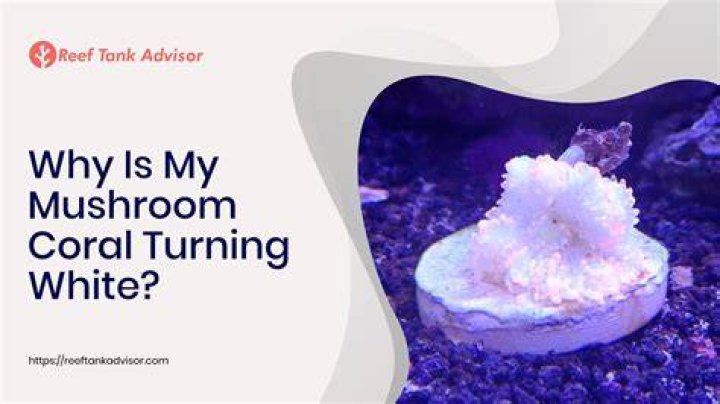
What Are the Signs of Aquarium Coral Dying?- Bleaching. When coral that isn't usually white becomes incredibly white and looks almost transparent in the water, this is a sign that it is dying or has already died.
- Overgrown by Seaweed.
- Discoloration and Sediment.
How can you tell if coral is dyed?
The acetone testTo test whether your coral bead was dyed, take a small cotton swab dipped in acetone and rub it across the gem's surface. If, after swabbing, the acetone-soaked tip has lifted some of the coral's color, the bead is artificial and has been dyed.How do you revive a dying fish?
Part 2Reviving Your Goldfish- Identify symptoms of a dying goldfish.
- Look for symptoms in other fish.
- Remove the filter and treat the water.
- Treat the water with a heat and salt method.
- Feed your fish veggies and low protein foods.
- Excise parasites with tweezers.
- Use a commercial fish medication.
How do you know a fish is dying?
Your fish will not be acting like they normally do. They may seem distressed, have no appetite, hide, have nicked fins or sores. If your fish is near the surface gasping for breath, this means it's probably not getting enough oxygen. This can happen due to poor water circulation, gill damage, or toxins in the water.What will happen if coral bleaching continues?
As waters rapidly warm, corals lose the components that give them color and help them produce food, a process called bleaching. That slows their growth and makes them vulnerable to algae, disease, and death. Increased ocean acidification caused by the absorption of carbon dioxide causes bleaching, too.What do you feed SPS corals?
How to feed SPS corals - Foods, Additives and other Goodies. Corals require nutrients. It seems the best source of coral food is happy fish doing what fish do after they eat: poop. So the best coral food is simply any good fish food that is enjoyed by your fish.Where do I put my chalice coral?
Placement: Mount the Superman Chalice coral using IC gel glue, or putty, on an exposed rock in the lower half of the aquarium where it will receive moderate flow and indirect light. Feeding: Vivid Aquariums recommends feeding Echinophyllia and Chalice Corals with Oyster-Feast, Roti-Feast, and/or cyclopeeze.How long does it take coral to bleach?
Even if the corals survive the episode, it takes about 10 years for them to fully recover. “I studied coral reefs for 20 years before I first saw mass bleaching in 1998—the first global coral-bleaching event.How long does it take for coral to recover?
“We found that the time needed for coral reefs to recover from bleaching is at least 9-12 years - if there is no new disturbance in the meantime, such as a cyclone or re-bleaching,” he said. Dr Wolanski said the conditions that promoted recovery in different species of coral varied across the species.How much is red coral worth?
Five years ago, the same necklace would have cost between 50,000 and 60,000 pounds ($76,000 and $93,000 at average exchange for the period). He reports that coral is presently valued at about $1,000 per gram, compared to between $250 and $300 five years ago.How much coral is bleached?
The scale of bleaching has been rising steadily in the last four decades, a study author tells Carbon Brief, with the global proportion of coral being hit by bleaching per year rising from 8% in the 1980s to 31% in 2016.What can I do to stop coral bleaching?
25 ways to prevent Coral Bleaching- Support reef-friendly businesses.
- Don't use chemically enhanced pesticides and fertilizers.
- Volunteer for a reef cleanup.
- Learn more about coral reefs.
- Become a member of your local aquarium or zoo.
What are three conditions needed to help coral reefs recover?
Resistance- Sea-surface temperature patterns, especially at large scales.
- Regional and local differences in weather.
- Proximity to upwelling of cooler water.
- Water currents and flow regimes.
- Genetic identity of corals.
- Genetic variation in zooxanthellae.
- Severity of local stressors due to human activities.