How do you harvest collard greens from plants?
 William Taylor
 .
Correspondingly, how long can you harvest collard greens?
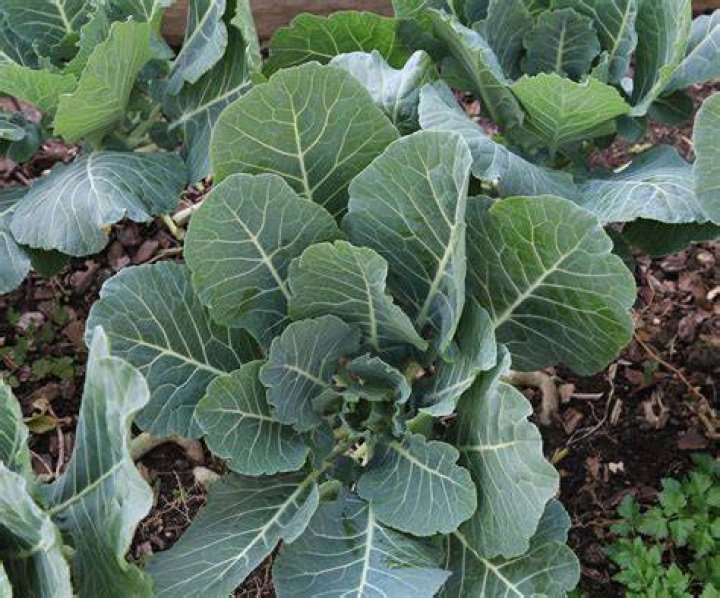
Collard leaves are ready for harvest as soon as they reach usable size. They will be most tasty when picked young–less than 10 inches long and dark green. Older leaves will be tough and stringy. Collard greens are ready for harvest 75 to 85 days from transplants, 85 to 95 days from seed.
Secondly, what plant do collard greens come from? Collard, (Brassica oleracea, variety acephala), original name colewort, also called collard greens, form of cabbage, of the mustard family (Brassicaceae). The plant is a source of nutritionally important minerals and vitamins A and C.
In respect to this, do collard greens grow back?
One of our readers pointed out that collard greens are not perennial, although we included them in a list of vegetables that will regrow from year to year. However, in certain areas, they act like perennials.
Can you eat collards after they flower?
The more a collard green plant develops its flower stalk, the less edible the greens will be, so it's beneficial to harvest as quick as possible to retain as much flavor and nutrition as possible.
Related Question Answers
What does a collard plant look like?
They can be quite large and bright to dark green. The stems are very fibrous and tough. Flowers: True to the cruciferous family, collard flowers have four yellow petals in the form of a cross. They are edible and have a sweet, cabbage-like flavor.What is the best fertilizer for collard greens?
Use a high-nitrogen fertilizer, such as nitrate of soda (15-0-0) or calcium nitrate (16-0-0), or a garden fertilizer with high concentrations of nitrogen and less phosphorus, such as 27-3-3, 24-0-15 or similar formulation.How many collard seeds are in a hole?
2-3 seeds
Can you eat raw collard greens?
In Salads and SlawsMove over, kale — collards deserve a spot in your salads and slaws. If you already enjoy them cooked into submission, know that they can absolutely be eaten raw, and they're delicious.Can you eat collard green seed pods?
Like lettuce, collards thrive in cool weather and will bolt, or produce seeds, when temperatures heat up. Discontinue watering the collard plants and allow the pods to turn brown and dry out. Don't harvest them too early because green pods don't produce viable seed, even if they are set out to dry after harvesting.How do I keep bugs off my collard greens?
Combine five parts water, two parts isopropyl alcohol and 1 teaspoon of dish liquid in a spray bottle. Spray the collard greens thoroughly, contacting all parts of the leaves once a week, to control flea beetles.How do you grow collards in pots?
Planting- Select a container for your turnip or collard greens.
- Fill the pot with potting soil.
- Plant your turnip and collard green seeds 1/2-inch deep in your soil-filled containers.
- Thin the seedlings once they reach 3 to 4 inches high.
- Water your containers whenever the top 2 inches of soil feels dry.
What month do you plant collards?
Collard greens are a cool season vegetable and are often planted in late summer to early autumn for winter harvest in the south. In more northern areas, collards may be planted a little earlier for fall or winter harvest.How do you clean fresh collard greens?
Wash the leaves by swishing them vigorously in a bowl of cold water. Pull the leaves out of the water, re-fill the bowl with clean water and repeat until you no longer see any grit coming off. It usually takes about 3 cycles for farm-fresh greens.Can you grow collard greens indoors?
Grow Collard Greens in Containers. a staple garden vegetable that is just as easy to grow in containers as they are to grow in a traditional in-ground garden. These nutritious greens can be grown year round indoors as long as you have a large container and a sunny location.How do you transplant collard greens?
Select two or three collard plants for each household member of the variety you prefer. Dig a hole for each plant, spacing the plants 15 to 18 inches apart with each row spaced three feet apart. Set one transplant in each hole and pat the soil enough to support the weight of the seedling.Why are my collard greens turning purple?
Nutrient DeficiencyCabbage plants' leaves may turn purple when the plants don't have enough nutrients. The deficiency is caused by a lack of fertilizer or poor soil, and, usually, the problem can be corrected by feeding the plants.Will Frost kill collard greens?
A Touch of FrostTemperatures between 26 and 31 degrees Fahrenheit might burn the foliage of collard cousins broccoli (Brassica oleracea var. italica), cabbage, cauliflower (Brassica oleracea var. botrytis) and mustard (Brassica juncea), but collards can take the cold down to 5 F.How do I grow collards in my garden?
Collards prefer rich, well-drained soil in full sun. In spring sow seed directly in the garden 1/4 to 1/2 inch deep after danger of heavy frost. Space the rows 30 inches apart. Thin seedlings to 6 to 8 inches apart.Can you grow collards from cuttings?
You will want to take your cuttings from fresh growth on an existing tree collard. Thus, especially in warm times of the year, it is usually best to remove most leaves while your cutting is growing its new roots. You can even remove ALL of the leaves and your tree collard should still root just fine.Can you eat yellow collard greens?
When you're buying a bunch of collards, go for a deep green bunch with no big tears or brown spots. If the leaves are turning yellow, that means they're a little older. If they start to turn a lighter green or yellow, they'll be more bitter than when you first bought them.Are collard greens cruciferous?
Collard greens are part of the cruciferous vegetable family. They contain nutrients that can play an important role in a healthful diet. The cruciferous family includes bok choy, kale, broccoli, Brussels sprouts, cabbage, rutabaga, and turnips.What is a collard tree?
Tree Collards are a highly productive perennial Brassica, producing delicious blue-green, or purple leaves which taste similar to kale. Like most brassicas, Tree Collards are especially sweet during the cooler months of the year (like now).How do you grow greens?
Most gardeners grow greens from seed sown directly in the garden.- loosen the soil to make way for greens. Prepare Site.
- plastic garden covers speed up germination process. Plant Seeds.
- thin the seedlings using sharp clean scissors. Cultivate Greens.
- harvesting greens is simple and easy. Harvest Greens.